

Leading with Empathy
What Inclusive, Human-Centered Hiring Looks Like Today
What if the future of work isn’t about choosing between speed and empathy — but designing systems that honor both?
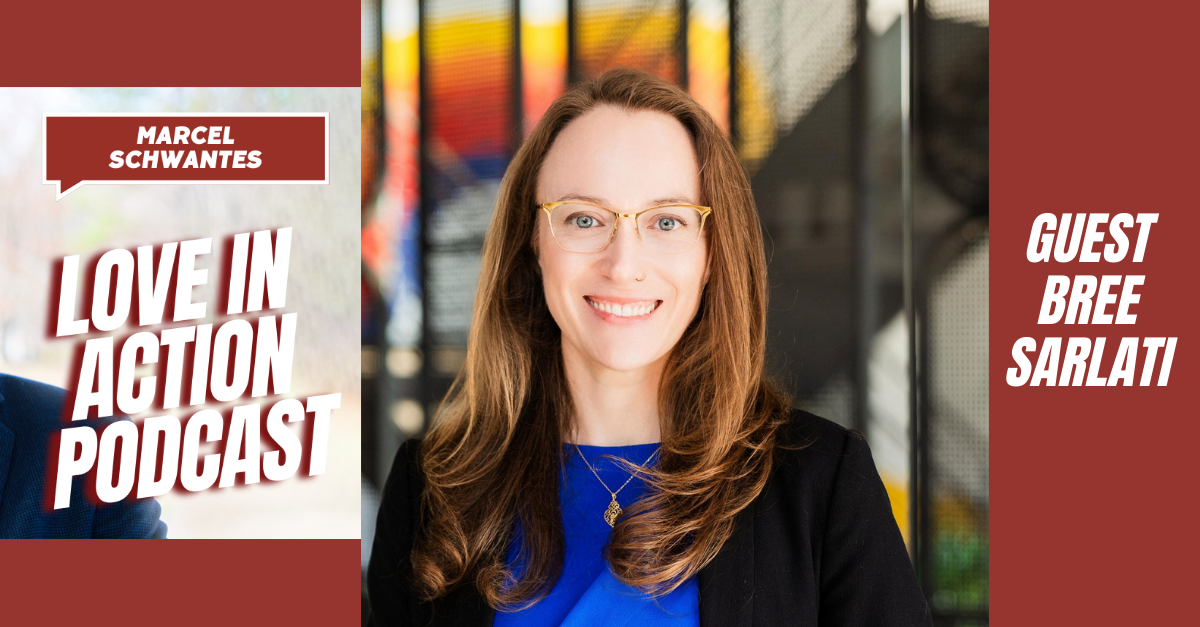
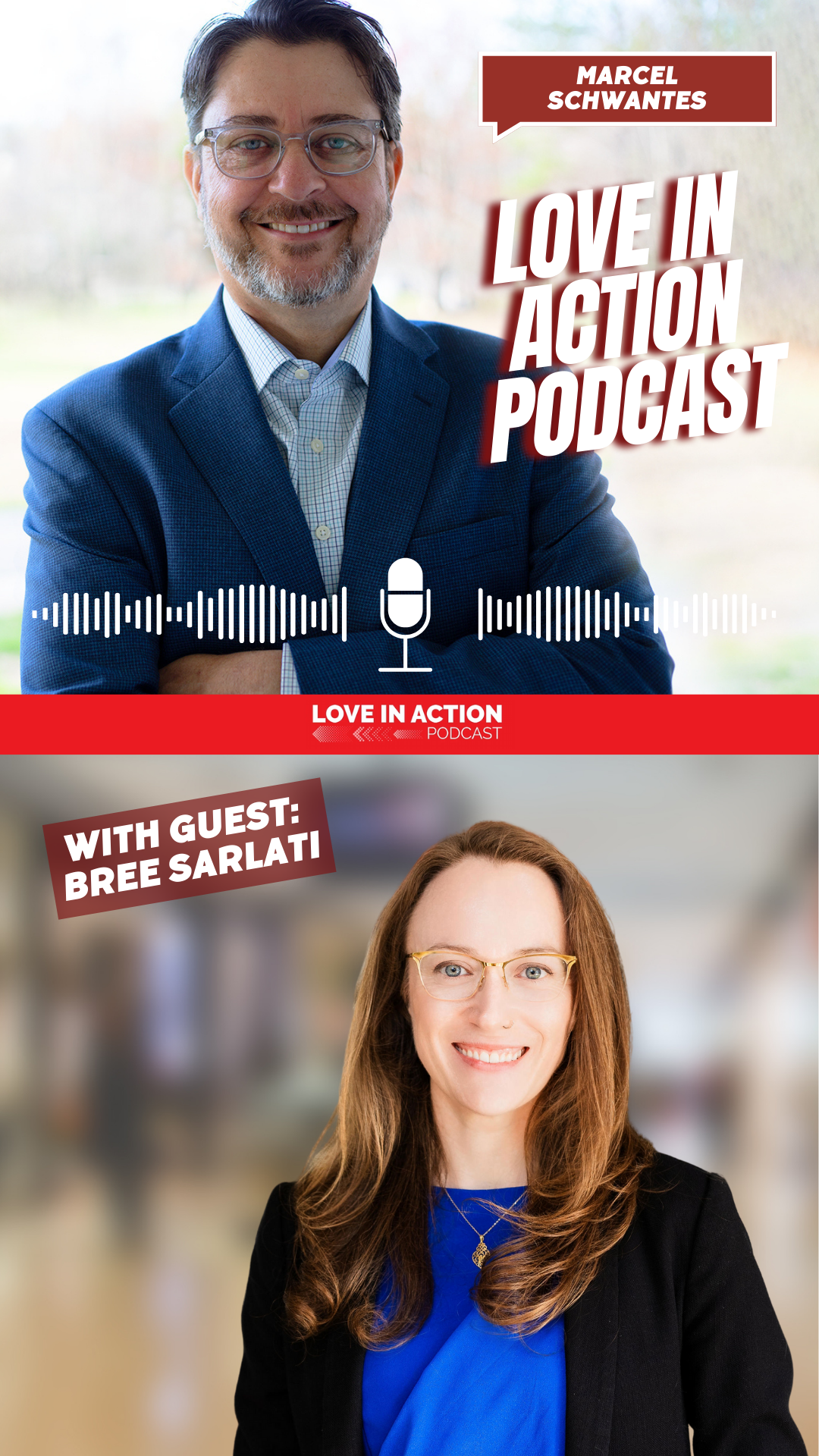
In a recent episode of the Love in Action podcast, Peak Performers President & CEO Bree Sarlati joined host Marcel Schwantes for a wide-ranging conversation on leadership, inclusive hiring, and how organizations can scale without losing their human connection.
As technology and AI continue to reshape recruiting, Bree offers a grounded, people-first perspective: innovation should remove friction — not relationships.
Scaling with Purpose, Not at the Expense of People
Peak Performers has spent more than three decades setting a higher standard of employment for professionals with disabilities. Under Bree’s leadership, the organization has expanded nationally while modernizing its systems and processes.
But growth, she explains, only works when leaders remain deeply self-aware.
True agility starts with asking hard questions:
What skills do we need next?
Where do we need to evolve?
How do we ensure that change strengthens — rather than erodes — trust and connection?
Rethinking Disability Inclusion at Work
One of the central themes of the conversation is the way disability is misunderstood in the workplace.
Disabilities include many conditions that are invisible — from ADHD to chronic illness — and they touch far more people than most organizations realize. Inclusive hiring isn’t about lowering standards. It’s about recognizing skill, capability, and potential that too often go overlooked.
When systems are designed with empathy, everyone benefits.
Technology That Serves People, Not the Other Way Around
AI and automation can play a valuable role in recruiting — when used intentionally.
Bree shares how Peak Performers approaches technology as a way to reduce administrative friction, allowing recruiters to spend more time connecting with candidates. Job searching is one of the most stressful experiences in a person’s life, and empathy during that process is not optional.
Efficiency helps, but humanity is essential.
Empathy as a Leadership Practice
Unlike any other protected class, disability is something that any one of us could experience at any time. That reality makes empathy more than a value — it makes it a leadership responsibility.
Designing inclusive workplaces requires leaders to imagine themselves in someone else’s shoes and to build systems rooted in dignity, respect, and belonging.
Watch the Full Conversation
The full interview explores these ideas in depth, along with practical insights on agile leadership, inclusive systems, and building future-ready teams.
To learn more about Peak Performers and its Talent Without Limits approach, visit peakperformers.org.


